Toilet training: calm, confident support for you and your child
Many parents approach it with a mixture of hope, uncertainty and pressure, wondering when to start, how to begin, and whether their child is “ready enough”. You may be feeling torn between advice that encourages starting early and messages that suggest waiting, all while managing accidents, resistance, or a child who simply doesn’t seem interested.
For some families, toilet training feels straightforward. For others, it quickly becomes emotional, exhausting and full of self-doubt. Parents often worry about doing the wrong thing, setting their child back, or missing a critical window of opportunity.
The reality is that toilet training is not a single event or a test that children either pass or fail. It is a gradual developmental process that unfolds differently for every child. When approached with patience, understanding and realistic expectations, it can become a positive step towards independence rather than a source of daily stress.
In this blog, we’ll explore what parents really need to know about toilet training, practical ways to support your child gently, and our experiences that show progress doesn’t need to be perfect to be meaningful. For parents looking for deeper guidance, reassurance and step-by-step support, our eBook Toilet Training Made Simple offers a calm, practical companion you can return to throughout the journey.
What parents need to know about toilet training
Toilet training is a developmental process, not a deadline
One of the biggest misconceptions around toilet training is that children should be trained by a certain age. In reality, children develop the physical, emotional and cognitive skills needed for toilet training at very different times. Age alone tells us very little about readiness.
Toilet training involves far more than learning where to go. Children are learning to:
Recognise and respond to body signals
Understand cause and effect
Manage clothing and physical coordination
Cope with new sensations
Build confidence and independence
Learn hygiene routines
These are complex skills that take time to develop. When toilet training is rushed or driven by external pressure, it can lead to frustration, resistance or anxiety. When it follows readiness, children are more likely to feel capable and motivated.
Readiness matters more than comparison
It’s very common for parents to compare their child’s progress with others, particularly siblings, friends or children at nursery. While this is understandable, it often creates unnecessary pressure.
Readiness cues can include:
Staying dry for longer stretches
Showing interest in the toilet or potty
Noticing when nappies are wet or soiled
Wanting more independence
Being able to follow simple instructions
Not every child shows all signs at once, and that’s okay. Readiness is not a checklist to complete, but a pattern that gradually emerges.
Emotional readiness is just as important as physical readiness
Children need to feel emotionally secure before they can manage toileting confidently. If a child feels anxious, pressured or worried about getting it wrong, they are less likely to engage positively.
Emotional readiness includes:
Feeling safe to try
Trusting adults to respond calmly
Knowing mistakes are allowed
Feeling supported rather than judged
Toilet training is as much about relationships and reassurance as it is about routines.
Accidents are part of learning
Accidents are often seen as setbacks, but they are a normal and necessary part of toilet training. They help children understand their body’s signals and make connections over time.
Responding calmly to accidents:
Protects a child’s confidence
Encourages continued effort
Reduces anxiety and resistance
Progress rarely follows a straight line. There may be steps forward, pauses and moments where things feel harder again. This doesn’t mean toilet training isn’t working.

Children are more willing to engage when they feel comfortable and unpressured.
Practical ways to support toilet training gently
1. Create a calm, supportive environment
A supportive environment helps children feel safe to try something new. This includes both the physical setup and the emotional tone around toileting.
Helpful considerations include:
A potty or toilet seat that feels stable and secure
A step stool if using the toilet so feet are supported
Easy access to the bathroom or potty
A relaxed, unhurried atmosphere
Children are more willing to engage when they feel comfortable and unpressured.
2. Talk about toileting in everyday moments
Talking about toileting doesn’t need to be formal or instructional. Casual, everyday conversations help normalise the process.
You might:
Talk about toileting during nappy changes
Read books that include potty routines
Use simple, consistent language
Keeping the conversation relaxed helps children build understanding before expectations are placed on them.
3. Build toileting into predictable routines
Routine helps children make sense of new skills. Offering the toilet or potty at familiar times, such as after meals, naps or before leaving the house, helps children learn patterns.
This doesn’t mean forcing a child to sit. It means creating regular opportunities and allowing interest to grow naturally.
4. Support independence in small, manageable steps
Toilet training is closely linked to independence. Small opportunities to practise everyday skills help build confidence:
Pulling trousers up and down
Sitting on the potty briefly
Flushing the toilet together
Washing hands afterwards
Allowing time for children to try, even when it’s slower or messier, helps them feel capable and proud.
5. Respond calmly and consistently
Children learn through repeated experiences. Calm, predictable responses from adults help children understand what to expect.
When accidents happen:
Stay neutral and reassuring
Avoid blame or disappointment
Focus on what comes next
Consistency helps children feel safe to keep trying.
These strategies offer a starting point. Our Toilet Training Made Simple eBook explores each stage in greater depth, helping parents tailor their approach to their child’s needs and temperament.
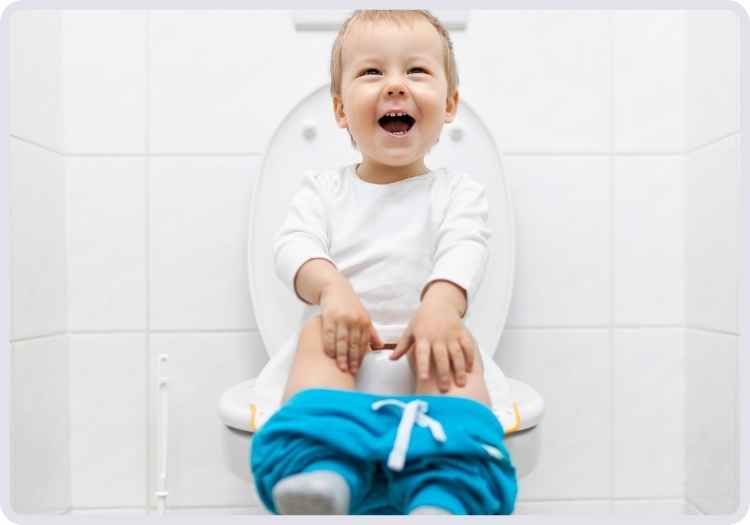
Most children show readiness somewhere between around 18 months and 3 years.
Parents’ toilet training experiences
Recognising readiness through behaviour
One parent noticed their child hiding to fill their nappy. Instead of starting training immediately, they began talking about the potty during nappy changes and offering it casually. This gentle approach helped their child feel familiar and confident when they were ready to begin.
Managing accidents without stress
Another family found that once nappies were removed, accidents felt emotionally draining. By having lots of sets of spare clothes to hand and responding calmly, accidents became learning moments rather than sources of tension. Over time, confidence increased for both child and parent.
Supporting children who get absorbed in play
One child regularly waited too long to go because they didn’t want to stop playing. Introducing regular toilet opportunities and giving warnings before transitions helped the child tune into their body without feeling rushed.
These experiences show that toilet training progress often comes from small, thoughtful adjustments rather than dramatic changes.
Frequently Asked Questions about toilet training
When should I start toilet training?
Most children show readiness somewhere between around 18 months and 3 years, but this varies widely. Readiness cues matter far more than age.
What if my child refuses to use the potty or toilet?
Refusal is common, especially if a child feels pressured. Taking a break and returning to it later often helps.
Are accidents a sign my child isn’t ready?
No. Accidents are a normal part of learning and don’t mean toilet training has failed.
How long does toilet training usually take?
There is no set timeline. Some children progress quickly, while others need months of gradual support.
Should I reward my child for using the toilet?
Some families find simple praise or stickers helpful, while others prefer verbal encouragement. The key is keeping the focus on confidence rather than performance.
What about night-time toilet training?
Night-time dryness often develops later and is linked to physical maturity. Many children are dry during the day long before nights.
What if my child has additional needs?
Children with additional needs may require adapted strategies and more time. With consistent, tailored support, progress is very achievable.
Conclusion
Toilet training is an important step towards independence, but it doesn’t need to be rushed or stressful. When children feel supported, understood and allowed to learn at their own pace, they develop confidence not only in using the toilet, but in trusting themselves and their bodies.
For parents who want more guidance, deeper explanations and practical ideas they can return to when things feel challenging, our eBook Toilet Training Made Simple was created to provide exactly that: calm, expert-led support that walks alongside you through every stage of the journey.
Whether you’re just beginning to think about toilet training, navigating accidents, or supporting a child who needs a little more time, the full eBook offers step-by-step guidance, real-life experiences and reassurance you can return to again and again.

Toilet Training Made Simple
30-page PDF eBook
Enjoy a positive, stress-free, and successful potty training journey.