Managing common behavioural challenges: understanding what your child is really telling you
When your child hits, shouts, refuses to listen, melts down in public or seems constantly on edge, it’s easy to wonder whether you’re doing something wrong or missing something important.
Many parents worry that challenging behaviour reflects poor parenting, a lack of boundaries, or a problem that needs fixing quickly. Others feel pressure to compare their child’s behaviour to what they see in other families, adding to feelings of self-doubt and frustration.
The reality is far more reassuring. Managing common behavioural challenges is not about stopping behaviour, but about understanding it. For young children, behaviour is one of the main ways they communicate needs, emotions and experiences they don’t yet have the language to explain.
This blog offers reassurance about why challenging behaviours happen, what they mean developmentally, and how parents can begin responding in ways that support emotional growth rather than escalating stress. It’s designed to answer the question “Is this normal?” and begins to open the door to “How can I support my child?” without judgement or unrealistic expectations.
What Parents Need to Know About Behaviour
Behaviour is communication, not defiance
One of the most important shifts parents can make when managing common behavioural challenges is moving away from seeing behaviour as something children do to adults and instead recognising it as something children do for themselves.
Young children are still learning:
How to recognise emotions
How to express frustration safely
How to cope with disappointment
How to manage impulses
How to recover from overwhelm
When these skills are still developing, behaviour often steps in to do the communicating. Tantrums, refusal, aggression or withdrawal are not signs that something is “wrong” with your child: they are signs that your child needs support to navigate big feelings or situations that feel too much.
Understanding this helps parents respond with confidence rather than fear, and with empathy rather than punishment.
Development plays a major role
Behavioural challenges often appear during periods of rapid development. Toddlers, for example, are learning independence while still relying heavily on adult support. Preschool-aged children are beginning to understand social expectations but don’t yet have consistent self-regulation skills.
These stages naturally bring:
Boundary testing
Emotional outbursts
Strong reactions to change
Difficulty waiting or coping with “no”
Recognising behaviour as part of development helps reduce pressure to “fix” things quickly and allows parents to focus on guiding skills over time.
Practical Support for Managing Behaviour
Stay regulated to help your child regulate
One of the most effective tools when managing common behavioural challenges is an adult’s calm presence. Children borrow regulation from the adults around them. When adults respond calmly, children feel safer and more able to settle.
This doesn’t mean staying calm is always easy. It means prioritising connection first, even when behaviour feels challenging. Pausing, taking a breath, lowering your voice and using simple language can all help de-escalate moments of overwhelm.
Predictability and routine matter
Children feel more secure when they know what to expect. Predictable routines help reduce anxiety, particularly during transitions such as leaving the house, mealtimes, or bedtime.
Visual cues, gentle reminders and consistent responses help children understand what’s happening next, reducing the need for behaviour to communicate confusion or stress.
Boundaries can be kind and clear
Clear boundaries help children feel safe. When limits are consistent and explained calmly, children don’t need to test them repeatedly.
For example, saying “Toys are for playing with: when we’re finished, we put it back where it belongs” provides clarity without threat or punishment. Boundaries paired with empathy help children learn expectations while still feeling understood.

Managing common behavioural challenges often involves changing the environment or your expectations
Everyday Behaviour Moments
A toddler throws themselves on the floor when it’s time to leave the park.
They’re not being manipulative - they’re struggling with the transition and the disappointment of stopping something enjoyable.
A preschooler refuses to get dressed in the morning, despite having done it independently the day before.
This may be a sign of tiredness, a need for control, or feeling rushed rather than defiance.
A child lashes out physically when another child takes their toy.
This behaviour often reflects frustration or difficulty expressing needs with words, rather than aggression as an intention.
One parent noticed their child became particularly distressed during busy supermarket trips. Tantrums appeared suddenly, often near the end of the shop. Instead of focusing on behaviour alone, the parent began observing patterns and realised these moments usually happened when the child was tired and it was nearing mealtime. By shopping earlier in the day, taking a snack, and keeping trips shorter, the child’s behaviour changed significantly. The behaviour hadn’t been “fixed”, the underlying need had been understood.
Another common scenario parents describe happens at the end of the day, when everyone is tired and emotional reserves are low. One parent noticed that their child’s behaviour often escalated in the early evening. Small requests - washing hands, sitting at the table, putting toys away - were met with shouting or refusal. Earlier in the day, the same child managed these transitions with far fewer difficulties.
By stepping back and observing patterns, the parent realised that these moments consistently followed a long nursery day and coincided with hunger and tiredness. Instead of focusing on correcting behaviour, they adjusted expectations during this window. Evening routines were slowed down, instructions were simplified, and comfort and connection were prioritised before tasks.
Over time, behaviour improved not because the child had suddenly “learned to behave”, but because their emotional capacity was better supported. This example highlights how managing common behavioural challenges often involves changing the environment or expectations, rather than the child.
Common Worries
“Am I Being Too Soft?”
Many parents worry that responding with empathy means allowing behaviour or avoiding boundaries. This concern is especially common when managing common behavioural challenges that involve shouting, hitting or refusal.
Being responsive does not mean being permissive. Children need adults to:
Keep them safe
Hold clear boundaries
Guide behaviour consistently
What makes the difference is how boundaries are communicated. Calm, consistent responses teach children what to expect and help them learn self-regulation over time. Harsh responses may stop behaviour in the moment, but they don’t support long-term skill development.
“What If This Behaviour Becomes a Habit?”
Many parents worry that if challenging behaviour isn’t addressed firmly or quickly, it will become ingrained or continue indefinitely. This concern can be especially strong when behaviours repeat frequently, such as hitting, shouting or refusing instructions.
In reality, behaviour becomes more likely to persist when the underlying need remains unmet. When children feel overwhelmed, misunderstood or unable to express themselves, behaviour continues to serve a purpose.
Responding with calm boundaries, empathy and consistency does not reinforce behaviour; it helps children develop alternative ways to communicate and cope. As emotional regulation skills strengthen, behaviour naturally changes.
Understanding this can help parents stay patient and confident, knowing that progress often looks gradual rather than immediate when managing common behavioural challenges.
Building Emotional Regulation Over Time
Emotional regulation is not something children are expected to manage alone. It is a skill that develops slowly, through repeated experiences of being supported during moments of big emotion.
In the early years, children rely heavily on adults to help them calm down, make sense of feelings and recover after difficult moments. When adults respond with steadiness and understanding, children learn that emotions are manageable and temporary.
Building emotional regulation over time involves:
Naming emotions as they arise: “You look really sad that the game ended.”
Normalising feelings without approving unsafe behaviour: “It’s okay to feel angry. It’s not okay to hit.”
Offering comfort before problem-solving
Modelling coping strategies, such as breathing, pausing or asking for help
Repeated experiences like these help children build an internal toolkit for managing emotions. Over time, children begin to anticipate feelings, recognise their own emotional states and use strategies independently.
It’s also important to recognise that emotional regulation is affected by tiredness, hunger, illness and change. During these times, children may temporarily need more support, even if they usually cope well. This doesn’t mean progress has been lost, it means the child’s capacity is reduced.
When parents approach behaviour with the understanding that regulation develops unevenly, they are better able to respond with tolerance rather than frustration. Managing common behavioural challenges then becomes less about control and more about guidance and support.

Some behaviours benefit from reduced attention, but many require calm guidance and support.
Frequently Asked Questions
Is challenging behaviour normal in young children?
Yes. Behavioural challenges are a normal part of development, particularly in the early years when emotional regulation skills are still forming.
What if my child’s behaviour feels constant?
Patterns often emerge around tiredness, hunger, transitions or change. Observing when behaviours occur can help identify underlying needs.
Should I ignore challenging behaviour?
Some behaviours benefit from reduced attention, but many require calm guidance and support. Understanding the reason behind the behaviour helps determine the response.
How do I handle behaviour in public?
Public situations can feel stressful, but your child’s needs remain the same. Prioritising connection and safety over others’ opinions helps children feel secure. You are not the only person to ever have had to deal with a child’s public meltdown!
What if different adults respond differently?
Consistency supports children, but perfection isn’t required. Talking together about boundaries and responses can help reduce confusion for your child.
Can behaviour be linked to anxiety?
Yes. Anxiety can show up as clinginess, avoidance, outbursts or withdrawal. Supportive routines and reassurance help children feel safe.
Why does my child behave differently with me than with others?
This is very common. Children often show their biggest emotions with the adults they feel safest with. Holding things together in other settings can be exhausting, and emotional release often happens at home where children feel secure.
When should I seek extra support?
If behaviour significantly affects daily life, relationships or wellbeing over time, additional guidance can be helpful.
Encouraging Positive Behaviour Over Time
Positive behaviour develops when children feel understood, safe and supported. Recognising effort, rather than outcomes, helps children build confidence.
Celebrating small steps - waiting for a turn, using words instead of actions, calming more quickly than before - reinforces progress.
Encouragement doesn’t need to be elaborate. Simple, specific recognition helps children understand what behaviours are working and why.
Conclusion
Managing common behavioural challenges is not about getting everything right or eliminating difficult moments altogether. Behaviour is part of growth, learning and emotional development.
This blog offers reassurance that challenging behaviour is normal, meaningful and manageable with understanding and support. For parents who want deeper insight, more real-life examples, and structured guidance across a range of behavioural challenges - from tantrums and defiance to anxiety and aggression - our eBook Managing Common Behavioural Challenges provides that next layer of support. It explores the reasons behind behaviour, offers practical strategies, and helps parents feel confident responding with empathy and consistency. It’s designed not as a rulebook, but as a companion: something you can return to whenever behaviour feels difficult, reminding you that understanding, patience and connection are powerful tools.
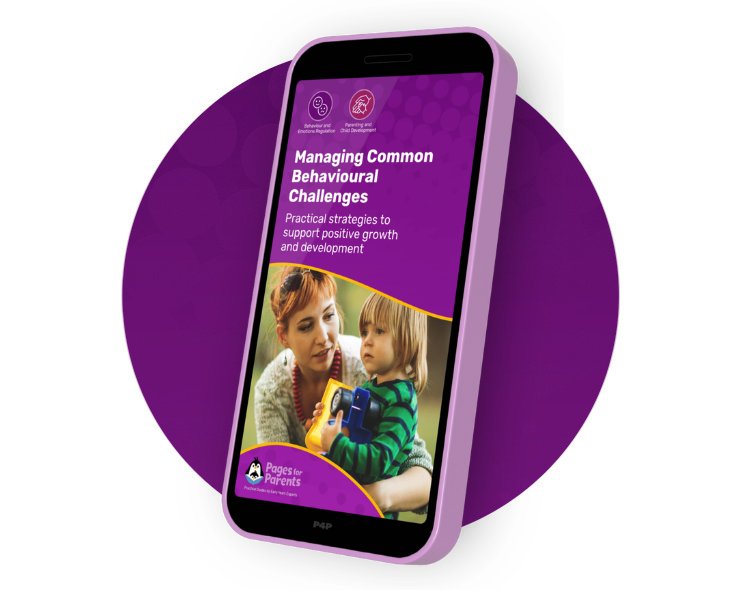
Managing Common Behavioural Challenges
32-page PDF eBook
Create a calmer, more connected home by fostering harmony and positive habits.