Getting ready for school: how to support your child’s confidence, independence and emotional readiness
You might be wondering whether your child is ready enough, worrying about whether they can sit still, follow instructions, make friends, or manage the school day without you close by.
Many parents feel pressure to focus on letters, numbers or early reading, fearing their child will be “behind” if they don’t know enough before starting.
The truth is that getting ready for school is about far more than academic skills. School readiness is rooted in confidence, emotional security, independence and a child’s ability to manage everyday routines and relationships. When children feel safe, capable and understood, learning naturally follows.
Drawing on early years expertise and real-life experiences with families, this blog explores what school readiness really means, what matters most in the months before starting school, and how you can support your child in simple, practical ways at home. There’s no checklist to rush through and no pressure to turn your home into a classroom. Instead, we focus on thoughtful, supportive steps that genuinely help children feel ready for this exciting next stage.
For parents who want deeper guidance, reassurance and practical ideas, our eBook Getting Ready for School explores each of these areas in much more detail, with real life examples and realistic support you can use every day.
What parents need to know about school readiness
School readiness is not about being “ahead”
One of the biggest misconceptions about starting school is that children need to arrive already reading, writing or doing maths. In reality, teachers expect children to arrive with a wide range of abilities, experiences and interests. What matters far more is how a child feels about learning, relationships and new experiences.
School readiness is about:
Feeling emotionally secure away from parents or carers
Having confidence to try, even when something feels tricky
Being able to communicate needs, feelings and ideas
Managing simple routines with growing independence
Showing curiosity, resilience and enjoyment in learning
Children who feel confident and supported are more likely to settle quickly, build positive relationships and engage with learning opportunities. These foundations are explored in depth in our eBook, helping parents understand why they matter and how to support them gently at home.
Emotional readiness comes first
Starting school brings new routines, new adults, a busier environment and higher expectations for independence. Children who are emotionally ready can:
Separate from trusted adults with reassurance
Cope with small frustrations or changes
Ask for help when they need it
Recover after a difficult moment
These skills don’t appear overnight. They develop gradually through warm, responsive relationships and repeated everyday experiences. Supporting emotional readiness is one of the strongest predictors of a positive start to school, and it’s a core focus of our Getting Ready for School eBook.
Independence is built through practice, not pressure
Independence doesn’t mean doing everything perfectly or without support. It means children are given chances to try, make mistakes and build confidence over time. School-ready children don’t need to be fully self-sufficient – they need to feel capable and supported.
Simple life skills often matter more than academic ones:
Managing coats, shoes and bags
Using the toilet with confidence
Eating independently
Following familiar routines
Looking after belongings
These skills grow best when adults allow time, patience and encouragement. Our eBook includes realistic ways to support independence without power struggles or pressure.
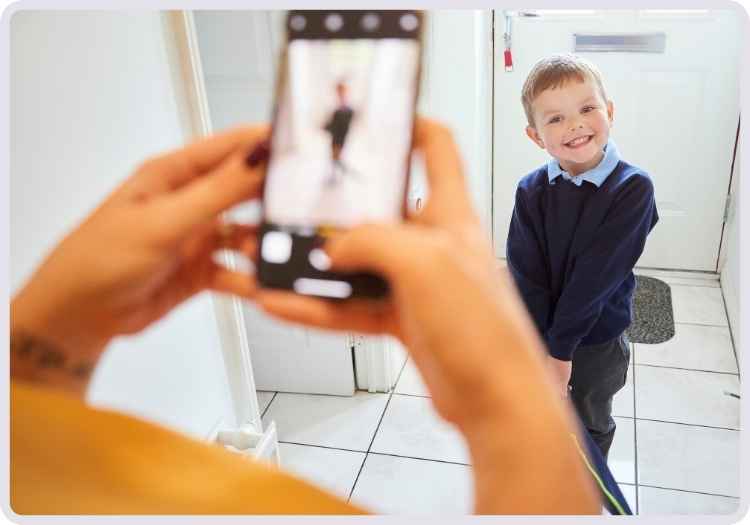
When children feel safe, capable and understood, learning naturally follows.
Practical steps to help your child get ready for school
1. Build independence into everyday routines
Daily routines are one of the most powerful ways to support school readiness. They help children understand what happens next and build confidence through repetition.
You can support independence by:
Allowing extra time in the morning so your child can try dressing themselves
Encouraging them to help with small jobs, like laying the table or putting toys back where they belong
Letting them practise opening lunch boxes, water bottles and coat fastenings
Supporting them to manage personal care at their own pace
Remember, independence grows when adults step back slightly and resist the urge to “do it quicker”.
2. Support emotional understanding and communication
Children don’t need a large emotional vocabulary before school, but they do need to feel safe expressing how they feel.
Helpful strategies include:
Naming emotions in everyday moments: “You look sad that we’re leaving the park”
Talking through changes before they happen
Validating feelings without rushing to fix them
Modelling calm responses when things go wrong
This helps children learn that feelings are manageable and that adults will support them through challenges. The eBook includes scripts and examples to reassure parents in supporting their child’s developing emotional understanding.
3. Encourage listening and attention naturally
Rather than expecting long periods of sitting still, focus on listening and attention in playful, realistic ways:
Playing turn-taking games
Reading stories together and chatting about what’s happening
Singing action songs
Following simple instructions during play
These experiences build the foundations for listening and focus without pressure.
4. Develop confidence through play
Play is how young children learn best. Through play, children practise problem-solving, communication, cooperation and creativity.
You can support readiness by:
Offering open-ended resources such as blocks, art materials or role-play props
Allowing your child to lead their play
Joining in occasionally without taking over
Valuing effort rather than outcomes
Play helps children learn that trying matters more than getting things “right”.
5. Create positive conversations about school
Children often take emotional cues from adults. Calm, positive conversations help children feel reassured.
Try to:
Talk about school as a place of learning and discovery
Acknowledge worries without dismissing them
Share excitement alongside reassurance
Avoid comparisons with other children
Confidence grows when children feel their feelings are understood.
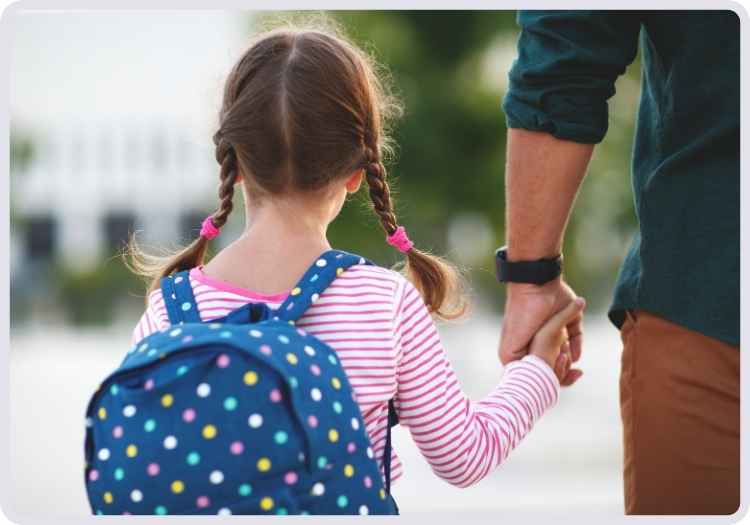
Introducing a simple goodbye routine: a cuddle, a wave and a consistent phrase can help reduce anxiety in your child.
Real-world examples of school readiness in action
Building independence through daily life
One parent noticed their child becoming frustrated at mealtimes when food was cut up for them. By gradually stepping back and allowing their child to practise using cutlery, meals became a confidence-boosting opportunity rather than a stressful one.
Supporting emotional confidence
Another family worried that their child would struggle with separation. They introduced a simple goodbye routine: a cuddle, a wave and a consistent phrase (“We’ll have another cuddle after tea.”). This predictability helped their child feel secure and reduced anxiety.
Learning through play, not pressure
One child showed little interest in letters or numbers, which worried their parents. Through imaginative play, storytelling and everyday conversations, the child developed strong communication skills, curiosity and a firm foundation in foundational maths concepts that later supported learning at school.
Our eBook Getting Ready for School expands on these kinds of experiences, helping parents recognise readiness in everyday moments they might otherwise overlook.
Frequently Asked Questions
Does my child need to know letters and numbers before starting school?
No. Emotional readiness, communication and confidence are far more important foundations for learning.
What if my child struggles with separation?
This is very common. With consistent routines and reassurance, most children settle well over time.
How independent does my child need to be?
Children need confidence to try and ask for help, not perfection.
My child doesn’t sit still – is that a problem?
No. Attention develops through experience, movement and play.
Should I practise school routines at home?
Gentle familiarity helps, but there’s no need to recreate a school day.
What if my child seems “less ready” than others?
Children develop at different rates. Comparison often increases anxiety unnecessarily.
Conclusion
Getting ready for school is not about ticking boxes or pushing children to achieve early academic milestones. It’s about helping them feel confident, capable and emotionally secure as they step into a new environment. When children trust the adults around them, understand routines, and feel proud of their growing independence, they are ready to learn.
Our blog offers a starting point, but many parents tell us they want more reassurance, more examples and more practical ideas as the transition approaches. Our eBook Getting Ready for School was created to do exactly that: offering clear guidance, real-life experiences and calm, supportive advice you can return to again and again.
If you’re looking for a gentle, expert-led guide to support both you and your child through this transition, the full eBook is there to walk alongside you every step of the way.
Getting Ready for School
31-page PDF eBook
Practical tips for calm goodbyes, daily routines, and building their independence.